

The fascinating transformation of gambling through the ages
The Origins of Gambling
Gambling can be traced back to ancient civilizations, where evidence of gaming activities has been discovered in archaeological sites. The earliest known gambling devices, like dice, were found in Mesopotamia, dating back to around 3000 BC. These rudimentary forms of gambling were often tied to rituals and social gatherings, reflecting the cultural significance of chance and luck in early societies. Today, many enthusiasts seek opportunities at a fast withdrawal casino to experience that thrill.
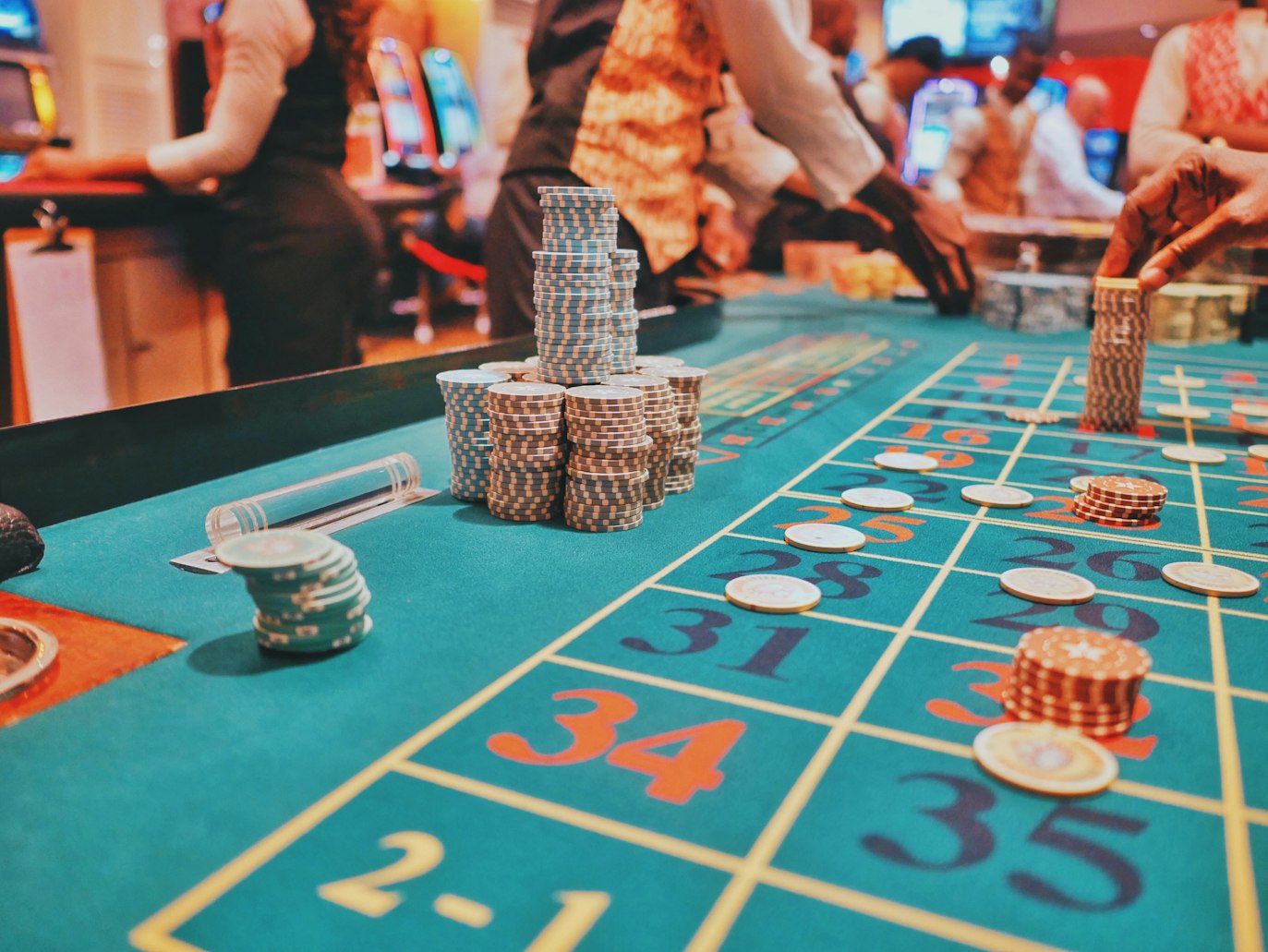
As civilizations evolved, so did gambling. Ancient Rome and Greece popularized various games of chance, including betting on gladiatorial contests and chariot races. These activities highlighted not only the thrill of gambling but also its role in social hierarchies, as wealth and status often dictated one’s ability to participate in such games.
The Rise of Formal Gambling Institutions
By the Middle Ages, gambling began to take a more structured form, with the establishment of formal gambling houses and betting markets. This period saw the emergence of card games and the first lottery systems, which were often state-sanctioned to generate revenue for public projects. The advent of gambling laws aimed to regulate these activities, reflecting society’s growing awareness of the potential risks involved.
The Renaissance further propelled gambling into mainstream culture, with the introduction of new games like baccarat and chemin de fer. The allure of these games drew in players from all walks of life, and casinos began to flourish in Europe, particularly in Italy and France, marking a significant shift in how gambling was perceived and practiced.
The Impact of Technology on Gambling
The 19th century was a turning point for gambling, especially with the industrial revolution. Innovations such as the mechanical slot machine revolutionized gaming, offering players a new way to engage in chance-based activities. These machines, with their enticing designs and potential for significant payouts, quickly became popular in bars and saloons across the United States.
The introduction of the internet in the late 20th century marked yet another transformation, giving rise to online casinos that allowed players to gamble from the comfort of their homes. This shift not only broadened the audience for gambling but also introduced new dynamics in how games were played and regulated, leading to an unprecedented expansion of the gambling industry globally.
The Psychology of Gambling
The psychology behind gambling is a complex interplay of excitement, risk, and reward. Players are often drawn to the thrill of potential wins, which can trigger the brain’s reward system, releasing dopamine and creating feelings of pleasure. This phenomenon can lead to a cycle of repeated gambling, as players chase the ‘big win’ while often underestimating the risks involved. It’s essential to understand these psychological factors when engaging with various forms of gambling.
Understanding the psychological aspects of gambling has become crucial for developing responsible gambling practices. Awareness programs and support systems are now in place to help individuals recognize problematic behaviors and seek assistance. As the gambling landscape continues to evolve, the focus on mental health and responsible gaming is more important than ever.

Fast Withdrawal Casino: Your Gambling Guide
Fast Withdrawal Casino stands out as a comprehensive resource for online gambling enthusiasts in the UK. By focusing on casinos that offer quick payouts and secure gaming experiences, the site ensures that players can enjoy their winnings without unnecessary delays. All listed casinos are licensed by the UK Gambling Commission, providing a layer of trust and safety.
The platform helps users navigate the diverse landscape of online gambling, offering expert recommendations and comparisons. Whether you seek fast payouts or a reliable operator, Fast Withdrawal Casino is dedicated to enhancing your gaming journey while promoting responsible gambling practices.