

Exploring cultural differences in casino experiences around the world
The Origins of Gambling in Different Cultures
The history of gambling is deeply interwoven with various cultures across the globe. In ancient civilizations, such as China, gambling activities were often rooted in religious and social practices. Dice made from bone or wood have been found in archaeological sites dating back thousands of years, indicating the significant role that games of chance played in social gatherings. Similarly, in Ancient Rome, betting on gladiatorial games was a common pastime, reflecting the society’s values around competition and risk-taking. For those looking to explore their options, knowledgeable bettors often choose to check lay betting sites for a diverse betting experience.

As these civilizations evolved, so did their approaches to gambling. For instance, in Islamic cultures, gambling is largely forbidden due to religious beliefs, leading to alternative forms of entertainment such as poetry and storytelling that don’t involve chance. In contrast, Western societies have embraced gambling more openly, leading to the establishment of casinos as a central feature of entertainment and leisure, showcasing how culture can dictate the acceptance and evolution of gambling practices.
Additionally, the influence of colonialism and globalization has shaped modern gambling landscapes. Countries that were once colonies often adopted gambling practices from their colonizers, leading to a hybridization of gaming customs. For example, Australian Indigenous communities have their unique gambling traditions, which coexist with the more commercialized approaches introduced by European settlers. This blending of cultures highlights the diverse roots of gambling experiences worldwide.
Casino Atmospheres: A Cultural Perspective
The atmosphere of casinos varies significantly across cultures, influencing how individuals engage with gambling. In Las Vegas, for example, the vibrant lights, elaborate shows, and high-energy environment create a sensory overload aimed at immersing players in a fantasy world. This focus on entertainment is designed to encourage prolonged gambling sessions, turning the casino into a destination rather than just a place to gamble.
Conversely, in countries like Japan, pachinko parlors offer a more subdued yet culturally significant approach to gambling. Here, the atmosphere emphasizes social interaction and community bonding rather than individual gain. The design of these parlors includes traditional motifs and a focus on aesthetic appeal, making it a unique experience that reflects Japanese values around collectivism and aesthetics.
In contrast, European casinos often combine luxury and elegance with a more understated atmosphere. For instance, the Monte Carlo Casino in Monaco exudes sophistication, attracting a clientele that appreciates exclusivity and opulence. This emphasis on refinement alters the gambling experience, making it less about raucous fun and more about sophistication and social standing, showcasing how culture informs the casino experience.
Games and Strategies: Cultural Preferences in Gambling
The types of games popular in different regions reveal much about cultural preferences and strategies. In the United States, games like poker and blackjack dominate, often associated with skill and strategy. These games have become cultural icons, often depicted in films and literature, reflecting the American ethos of competition and individualism. Poker, in particular, has gained immense popularity, with tournaments attracting players from around the world, further intertwining global cultures through a shared love for the game.
In contrast, Asian cultures may prioritize games like baccarat and Mahjong. Baccarat, which has found favor among high rollers, is viewed as a game of chance that offers a different thrill. Mahjong, a traditional tile game, is often played in a social setting, highlighting community and family ties. These games not only reflect gambling strategies but also serve as a medium for social interaction, reinforcing cultural values that prioritize relationships.
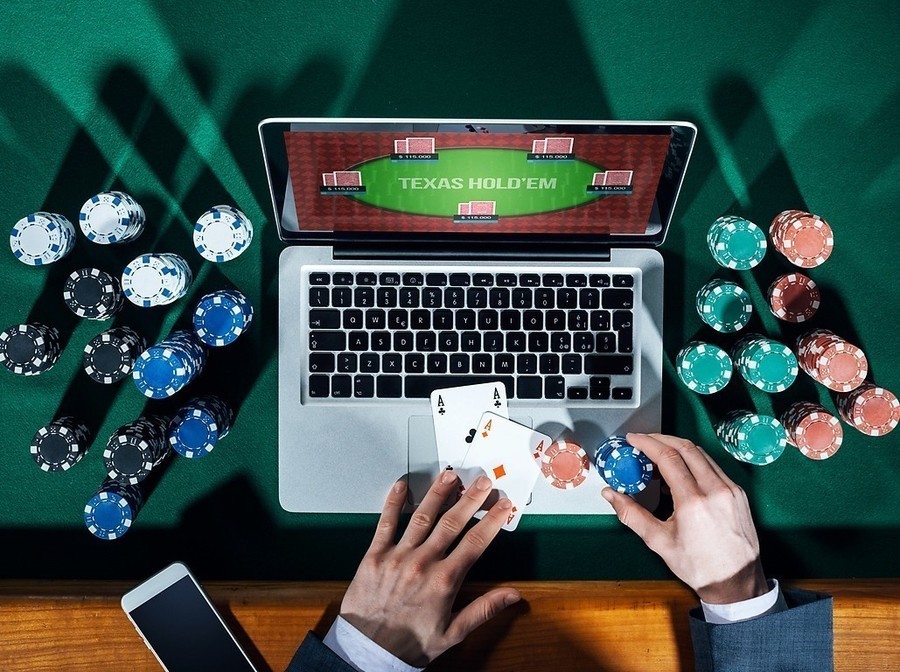
Furthermore, the emergence of digital gaming has resulted in a blend of traditional and modern gambling practices. Online platforms now offer a plethora of games that cater to diverse cultural preferences, from traditional card games to innovative new forms. This global digital marketplace allows for the exchange of cultural practices, enabling players from different backgrounds to experience and adapt games that were once localized to their specific regions, showcasing the evolving nature of gambling.
Regulation and Responsibility: Cultural Attitudes Towards Gambling
Regulatory frameworks surrounding gambling reveal much about a culture’s attitude towards risk and responsibility. In many Western countries, gambling is heavily regulated, with licenses required for operation. This reflects a cultural belief in personal responsibility, where individuals are expected to manage their gambling habits. Countries like the United Kingdom provide resources for responsible gambling, indicating a proactive approach to mitigate potential social harms associated with gambling.
In contrast, some cultures approach gambling with a more laissez-faire attitude. Countries such as Macau, known for their vibrant casino scene, have capitalized on gambling as a major economic driver. However, this often leads to concerns regarding addiction and its social implications. The cultural acceptance of gambling as a form of entertainment can overshadow the need for regulatory oversight, creating a complex relationship between gambling and societal well-being.
Moreover, in cultures where gambling is taboo, such as in certain Middle Eastern countries, illegal gambling activities still flourish, highlighting the disconnect between cultural beliefs and practical behavior. This dichotomy can create significant social issues, as the lack of regulation often leads to unprotected gamblers facing risks without support. Understanding these cultural attitudes is crucial for developing effective policies that balance economic benefits with social responsibility.
Final Thoughts on Global Casino Experiences
Exploring cultural differences in casino experiences reveals the intricate tapestry of gambling around the world. Each region offers a unique perspective shaped by history, social norms, and community values. From the grandeur of Las Vegas to the traditional parlors of Japan, the casino experience is a reflection of cultural identity and collective memory. As globalization continues to influence gambling practices, it is essential to appreciate and respect these diverse experiences.
Understanding these cultural nuances not only enriches our appreciation of global gambling practices but also underscores the importance of responsible gaming. As players navigate through different cultures, recognizing the context behind gaming experiences can lead to a more informed and respectful approach. Embracing diversity in gambling offers a greater understanding of our shared human experiences around risk and reward.